Which matters more for your face, a softer lower third or a sharper jawline? The short answer, it depends on your anatomy, your goals, and how Botox is used across specific muscle groups. With the right plan, you can slim a square jaw, define a blurred jawline, and settle tension that’s been clenching your masseters for years. With the wrong plan, you can look bottom‑heavy, over‑relaxed, or asymmetrical. The difference lies in diagnosis and dose.
What you actually mean when you say “slim my face”
Patients use “face slimming” to describe a few different problems. For some, it is masseter hypertrophy from grinding or clenching, where the lower cheeks appear boxy and heavy. For others, it is more about subcutaneous fullness along the jowls or a thick platysma that blunts the jawline. Only the first group is a direct candidate for botox jaw reduction, also known as masseter reduction.
Masseter reduction relies on botox cosmetic injections placed into the bulk of the masseter muscle, usually two to four points per side, sometimes more for an athletic or thick muscle. By weakening the masseter, the muscle gradually shrinks, leading to botox face slimming over several weeks. Think of it as tailoring, not liposuction, the fabric is muscle, not fat. If your fullness is mostly fat, laxity, or parotid prominence, treatments like radiofrequency tightening, microneedling with RF, buccal fat considerations, or dermal fillers for lifting vectors may be better. This is why a physical exam, palpation, and bite strength assessment matter.
Jawline contouring sits next to face slimming but solves a different issue. Rather than decreasing bulk, the aim is to reveal lines and angles. A blurred mandibular border can improve with a combination of botox lower face contour techniques, especially along the platysma and depressor anguli oris, and strategic filler for jawline definition. When done well, botox facial contouring and dermal fillers work in concert, not competition.
Botox for masseter reduction: what really changes, and when
This is the treatment behind most viral before‑and‑afters of “botox square jaw” transformations. In clinic, we map the muscle while you gently clench, then place a customized botox cosmetic treatment plan. Typical starting doses range from 20 to 40 units per side for women and 30 to 60 units for men, adjusted for muscle thickness and bite strength. If you are a heavy grinder or have long‑standing hypertrophy, expect the higher side initially.
Results follow a predictable timeline. You will feel less bite pressure within a week. Your face will start to look narrower by week three to four, with full botox 6 month results in advanced hypertrophy often landing around month two or three as the muscle atrophies. If you are seeking both functional relief and aesthetic change, it is common to schedule a botox follow up at two to four weeks to fine‑tune, then maintain with a botox maintenance plan every 4 months or every 6 months depending on how quickly the muscle recovers.
Two lived details matter here. First, chewing gum and high‑resistance chewing can counteract your progress; if you are training your jaw daily, your muscle fights the treatment. Second, the zygomaticus muscles that lift your smile run close to the top edge of the masseter. Poor placement or diffusion can soften your smile temporarily. An experienced injector uses deep placement and anatomical landmarks to avoid “smile heaviness.”
Beyond aesthetics, masseter reduction often doubles as botox for teeth grinding and TMJ relief. Patients who wake with a sore jaw or dull temple headaches frequently report fewer symptoms and softer tension after two to three sessions. We track bite strength and comfort at each botox review session and adjust your dose to the lowest effective level that keeps pain at bay without sacrificing chewing function. When the treatment is optimized, you should still chew steak, just not clench through stress.
Jawline contouring with neuromodulators: more than one muscle
If your goal is crisp definition, neuromodulators contribute in three main ways. First, botox platysma treatment can soften vertical neck bands that tug the jawline downward. A light‑dose botox neck lift, sometimes called the Nefertiti lift, places micro‑aliquots along the jaw border and down the platysmal bands. This helps the jawline read straighter and the cervicomental angle look tighter, especially in animated expressions.
Second, addressing the depressor anguli oris and depressor labii inferioris can reduce the downward pull at the mouth corners and chin, allowing the jawline to sit more neutral. When combined with subtle botox chin enhancement to relax a pebbled or dimpled chin, the lower face smooths out. This is not a replacement for filler along the mandibular angle or pre‑jowl sulcus, but it creates a calmer canvas so filler can add definition without fighting hyperactive muscles.
Third, for patients with genetically strong pull along the jawline that flares during speech or exercise, a personalized botox plan focusing on the lower face can reduce that “ropey” appearance. We use conservative doses to avoid flattening your smile or speech patterns. Precision keeps expression natural and the jawline clean.
When slimming alone fails: structure, fat, and skin
Face slimming with botox targets muscle volume. If that Charlotte botox volume is not the dominant reason your face looks broad, you will not love the result. I have seen patients with mild masseter hypertrophy, heavy buccal fat, and loose skin who chased repeated masseter injections. The sides of the face narrowed slightly, but the jawline still blurred and jowls persisted. In that situation, we pivoted to a botox and filler combo, along with skin tightening. Think vectors and scaffolding, then muscle tuning.
Dermal fillers can define the angle and body of the mandible, and a small dose can mask a soft jowl by restoring the pre‑jowl sulcus. If vertical neck bands remain, botox for neck bands reduces visual distraction. When laxity is the driver, energy‑based tightening or collagen‑stimulating threads may complement your neuromodulator plan. Botox does not shrink fat and does not lift tissue. It relaxes muscle. Knowing this keeps expectations honest and outcomes satisfying.
Expression harmony: the overlooked advantage
A sharp jaw looks best when the rest of the face is balanced. If your brow pulls downward, your eyes look tired, and your midface reads tense, the lower face will never feel elegant. This is where wrinkle relaxing injections above the jawline pay aesthetic dividends, even if your headline request is “jawline.” A subtle botox brow lift can open the eye without making you look permanently surprised. Calming glabellar lines, also called botox glabellar lines or “botox 11 lines,” softens the central frown. Addressing forehead lines conservatively can smooth without flattening motion.
Around the eyes, botox crows feet treatment is often the most gratifying for patients who squint or smile deeply. If shadows make you look fatigued, remember that botox under eyes is limited; dermal filler or skin quality treatments typically do more for true under‑eye hollow. For bunny line treatment on the nose, two tiny injections can improve those fine crinkles. The goal is coherence, your jawline gains more impact when the upper face looks rested and friendly.
Choosing the right plan for your anatomy and life
Every face tells a story, and your plan should fit both your structure and schedule. Some patients want a non surgical botox refresh before a photo‑heavy event and ask for holiday botox prep. Others prefer a quiet, personalized botox plan with maintenance at specific intervals that fit travel and work.
Here is a simple decision checkpoint that often guides the first consultation.
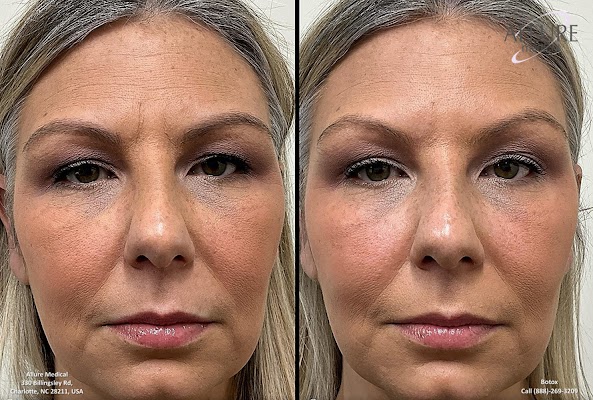
- If your lower cheeks feel firm when you clench, and your jaw looks widest at the angle near your ears, start with botox masseter reduction. Expect visible slimming by weeks three to four, with the peak effect by month two. Pair with platysma micro‑dosing if neck bands distract. If your jawline blurs without much bulk in the masseter, focus on jawline definition: light neuromodulator work to calm downward pulls, then filler to sharpen angles. Consider adding skin tightening for laxity. If your chief complaint is tension, headaches, or chipped molars along with a square jaw, prioritize therapeutic botox for jaw tension first, then adjust dose for aesthetics. If your face looks bottom‑heavy because the upper face reads tired, incorporate anti wrinkle botox for forehead wrinkles, glabellar lines, and a modest botox for eyebrow lift to restore balance. If your chin dimples or your smile pulls the chin upward, include botox for pebbled chin and a touch to the depressor muscles to settle the area.
Dosing details, safety, and the art of restraint
Dose is not a number you win by maximizing. It is a tool you calibrate. A petite patient with mild clenching might do well at 16 to 20 units per masseter per side. A powerlifter grinding nightly may need 40 to 60 units per side initially. Platysma treatments span 20 to 60 units total across the neck, depending on band thickness and length. For a subtle botox brow lift, four to eight units placed strategically around lateral brow depressors can create a two to three millimeter lift while keeping the forehead natural.
Safety sits in anatomy and restraint. Bruising is possible, especially in the jawline and neck, but typically mild and short‑lived. Diffusion can create transient weakness in nearby muscles; this is more common when water intake is high immediately pre‑treatment, or when massage occurs in the first 24 hours. I ask patients to avoid strenuous exercise for the rest of the day, skip facial massage for 24 hours, and remain upright for four hours after botox cosmetic procedure appointments. These are small habits that preserve precise placement.
If you are trying botox for facial rejuvenation for the first time, we stage treatments. First visit, treat what will make the biggest difference with the least risk, often the masseters or glabella and crows feet. At your botox after one week check‑in or a botox review session at two weeks, we adjust. This approach avoids overtreatment and helps you find your sweet spot.
The role of microbotox and skin quality work
Classical botox treats muscles. Microbotox, sometimes called mesobotox, uses very dilute microinjections across the skin surface to target tiny muscle fibers and reduce oil and pore appearance. Patients who complain of makeup settling into enlarged pores or a shiny T‑zone often benefit from botox microinjections on the cheeks and nose. This is not a substitute for good skincare, but as a botox glow treatment it smooths texture, reduces sweat on the scalp or face, and can complement botox for oily skin and botox for pores.
For hyperhidrosis, medical botox has robust data for underarms and hands. Underarm protocols commonly use 50 to 100 units total, with relief lasting four to six months. Hands and feet work as well, though injections are more sensitive and results vary; options include botox for hands sweating and botox for feet sweating. On the scalp, patients who sweat through blowouts or athletic training appreciate botox for scalp sweating, which often lasts a season.
Integrating fillers without losing natural movement
A sharp jawline often requires structure. Fillers deliver that, but the wrong choice in a mobile lower face can look stiff. My bias, build structure where bone would be, and reduce motion where muscle fights you. In practical terms, use firmer fillers along the mandibular angle and body only when skin thickness can support them and vectors align with lift. Avoid chasing every shadow with filler; two to three well‑placed syringes can outperform five scattered ones. Then use botox lower face contour dosing to calm depressors. This botox and filler combo feels more natural because filler is not competing with strong downward pulls.
Around the mouth, be judicious. Botox for smile wrinkles and vertical lip lines can help, but over‑relaxation can change speech or straw use. A touch for a gummy smile correction, using small aliquots near the levator labii superioris alaeque nasi, can hide gingival show without altering your laugh. Micro‑doses for lipstick lines respect function. If fullness is desired, a subtle botox lip enhancement is usually a misnomer, filler adds volume, while botox refines movement. Aim for harmony, not paralysis.
Timelines, maintenance, and realistic expectations
Botox acts on a predictable rhythm. You will feel something after three to five days, see a first pass at one week, and judge a result at two weeks. Strength peaks by weeks two to four. For masseters and platysma, the visual effect continues to evolve across weeks four to eight as muscle bulk changes. A fair cadence for many is botox every 4 months for expression lines and every 6 months for masseters once the target shape is achieved. Some patients stretch to a botox yearly plan for masseters after several rounds, as the muscle stays quiet longer.
Plan reviews help. A botox touch up visit at two weeks is useful for symmetry tweaks, especially for botox for uneven eyebrows or face asymmetry. Subtle differences in muscle strength are normal; your left masseter may be denser if you chew on that side. We adjust a few units rather than chasing perfection in one day. Across the year, a customized botox treatment schedule that maps work, travel, and seasons keeps the face consistent. Seasonal botox specials pop up before summer weddings and winter holidays, but do not let a discount rush your dosing or timing. Quality wins.
Special situations: eyes, nose, and neck
Eyes signal energy. If colleagues comment that you look tired when you are not, treat where it reads. A light touch for botox for eyes addressing crows feet, a subtle botox for droopy eyelids strategy via lateral brow lift, and careful glabella work can reduce a heavy look. If hooding is significant, a botox for hooded eyes approach may help a little, but skin redundancy often calls for energy‑based tightening or surgical options.
On the nose, two tiny points can handle bunny lines. A botox nose tip lift can rotate a mildly downturned tip by relaxing the depressor septi nasi. For flared nostrils, skilled injectors may use small doses to soften dynamic flare, though structural width requires rhinoplasty or filler for the base; botox for wide nose does not alter bone or cartilage. These are micro‑adjustments, and they belong in experienced hands.
Necks tell age quickly. Platysmal bands, necklace lines, and skin laxity come from different causes. Botox for neck bands works well for dynamic vertical cords. Horizontal rings respond better to skin tightening or collagen‑stimulating biostimulators. For severe banding, plan several sessions of botox platysma treatment with conservative incremental dosing to maintain swallowing function. For patients with shoulder tension that rides up the neck, therapeutic botox in the trapezius can soften bulk and relieve discomfort. Dosing must respect posture and strength, particularly for athletes or those who carry children and gear daily.
How we evaluate: a five‑minute exam that saves months
A precise plan starts with a quiet, methodical exam. We look at rest and animation. We palpate the masseters while you clench and relax. We map platysmal bands by asking you to say “eee” and pull down gently. We watch your smile for asymmetry, check for a pebbled chin with mentalis overactivity, and note brow position relative to the orbital rim. Then we ask about symptoms you might not connect to aesthetics, jaw soreness on waking, headaches after long drives, or phone‑scrolling posture that feeds neck strain. This is how we choose between botox frown lines treatment or masseter work first, whether a botox brow lift would open your eye appropriately, or if filler should precede neuromodulators along the jawline.
Photography helps. Standardized photos at baseline, botox after one week, botox 3 month results, and six months make progress concrete. I often show patients how platysma bands that were barely visible at rest but pronounced on speech softened across sessions. Data keeps plans honest.
The psychology of subtle: why less often looks richer
Elegant lower faces do not scream, they whisper. The most expensive‑looking results come from small, coherent changes that add up. Calming the overactive, supporting the underbuilt, and brightening key expressions trim years without triggering the uncanny valley. Patients who chase a single feature to extreme often end up with a face that does not match their age or personality. If we blend botox for anti aging across the upper and lower face, maintain motion in the right places, and target strong pulls that age you, people ask if you slept well, not if you “did something.”
This is also why a botox rejuvenation package, when done thoughtfully, includes rhythm and restraint. It might bundle wrinkle relaxing injections for the forehead and eyes, botox jaw contour for the masseters, and a modest jawline filler, staged over six to eight weeks. Maintenance fits your calendar, perhaps every six months for masseter reduction and every four months for expression lines, with a botox follow up at each cycle to adjust.
Costs, value, and the long view
Units and syringes are the currency, but value is the feeling in the mirror six months later. Masseter treatments often run higher in unit counts, but provide dual benefits, both botox for clenched jaw relief and aesthetic slimming. Platysma work may need more frequent visits initially to map your bands https://www.youtube.com/channel/UCi60gNLWbMzJaeY9sOqewhQ accurately. Jawline filler usually requires fewer sessions but demands careful product choice to avoid migration or heaviness. If you track costs across a year, a balanced plan can be more economical than piecemeal touch‑ups that never quite solve the problem.
Think of your face as a project with phases. You do not paint trim before fixing the foundation. A well‑sequenced plan sets you up for lower maintenance, fewer emergency visits, and a consistent look across the seasons. You can still take advantage of seasonal botox specials for routine areas, but hold the line on technique and timing for complex zones like the jaw and neck.
What to expect on treatment day and the first week
Most sessions take 15 to 30 minutes. We clean, mark, and photograph. For masseters, you will feel a brief pressure with each injection, deeper than the forehead or crows feet. Platysma points are shallow and quick. The brow and glabella are familiar, a few seconds each. You might see tiny blebs at microinjection sites for mesobotox; they settle within an hour.
Afterward, expect a few pin‑prick marks and maybe a light bruise. Apply ice briefly if needed. Skip makeup on the treated zones for a couple of hours and avoid heavy workouts until the next day. At one week, the upper face should look smoother yet mobile. Masseters will feel a touch softer. By week three to four, your jawline photographs narrower. At that point, we may bring you in for a botox review session to capture progress and fine‑tune.
Red flags and edge cases
If you rely on intense chewing, such as certain athletes or performers, heavy masseter reduction can affect endurance. We plan lighter doses and longer intervals, prioritizing symmetry and function. If you have a history of dysphagia or voice changes, we are cautious with platysma and deep neck work. If your brow is already low at baseline, aggressive forehead dosing will drop your brows further. In those cases, a conservative pattern or focusing on the glabella and lateral brow depressors can create lift without flattening the frontalis.
Asymmetry is normal. One eyebrow may be higher, one masseter stronger, one platysmal band longer. We treat accordingly. If someone promises perfect symmetry with a single session, be skeptical. Faces move, and you want results that look human.
Putting it together: a sample plan by goals
A patient comes in with a wide lower face from clenching, a blurred jawline, and tired eyes. We start with botox masseter reduction at 30 units per side. Two weeks later, a light botox crows feet treatment and a small glabellar dose to soften the center. At one month, we evaluate the jawline and add platysma micro‑doses to quiet bands. At six weeks, we place one to two syringes of filler along the mandibular angle and pre‑jowl sulcus. Maintenance follows every six months for masseters, every four months for the upper face. The result, a slimmer face, a cleaner jawline, calmer eyes, and fewer morning jaw aches.
Another patient wants more jawline definition without bulk reduction and has minimal clenching. We skip masseters, treat the depressor anguli oris and mentalis subtly for botox lower face contour, and add structure at the angle of the jaw with a firm filler. A conservative botox brow lift lifts the lateral brow a touch. The jawline reads sharper within two weeks, with filler adding immediate structure. Maintenance is low dose and strategic.
Your next smart step
Decide what bothers you most when you look at photos, the width at the angle of your jaw, the lack of definition along the border, or the downward pull around the mouth and neck. Then match the tool to the job. Botox jaw reduction trims muscle width. Jawline contouring refines shape, often with a botox and dermal fillers approach. A balanced plan may also include anti wrinkle botox for forehead wrinkles and glabellar lines, plus targeted work for crows feet, bunny lines, or a subtle upper lip lift when smile dynamics call for it.
The right plan respects anatomy, expression, and the story your face tells when you are at rest and when you laugh. Done with care, botox for facial rejuvenation does not erase character, it edits the parts that distract from it.