People arrive at a Botox consultation carrying more than lines on a forehead. They bring TikTok clips, anecdotes from a friend, a screenshot of a celebrity’s “before and after,” and the quiet hope that the right clinician can help them look more like themselves on a rested day. Patient education in medical aesthetics is not an accessory to care, it is the core of it. When education is thoughtful and specific, outcomes improve, touch-ups decrease, and trust lasts longer than the product’s effect.
What patients want, what providers know, and where the gap begins
Botox became popular for a reason. It works, it is well studied, and the downtime fits modern life. Surveys over the past decade suggest it remains the most requested minimally invasive cosmetic procedure, with high satisfaction when results are natural and dosing is matched to anatomy. Yet popularity invites misunderstandings. Some patients expect permanent correction after one visit. Others worry they will lose their expressions. A few come in asking for “preventative” treatments at nineteen because their feed said so.
Bridging this gap starts with acknowledging what patients already know. Social media has democratized access to information about aesthetic medicine Botox, but it also spreads Botox myths social media style: diluted product makes it safer, higher dosage lasts longer for everyone, or one template fits all faces. Patients who are well informed need precision, not paternalism. Patients who feel skeptical need an explanation that is scientific but clear, free of jargon and hedged statements. I like to frame the injectables conversation as three foundational truths: anatomy drives planning, technique determines outcome, and maintenance is normal, not a failure.
Explaining the science simply and accurately
The medical part reads like this: botulinum toxin type A blocks acetylcholine at the neuromuscular junction, which temporarily weakens targeted muscles. Different brands share a mechanism, but have distinct manufacturing processes. Units are brand specific and not interchangeable. Onset is gradual over a few days, peak effect shows by two weeks, and typical duration sits around three to four months, with outliers on either side. That is the evidence based practice summary in one breath.
The beginner guide to Botox needs two more points to feel grounded. First, efficacy depends on placement relative to muscle fibers, not just total units. A smaller, precise dose in the correct layer often beats a larger dose spread superficially. Second, natural expression Botox is not a contradiction. We do not freeze faces, we recalibrate muscle balance. When people ask for facial harmony Botox or facial balance Botox, they are describing this recalibration whether they know it or not.
This is also where Botox safety studies matter. Decades of clinical data and well executed Botox efficacy studies show predictable results and a favorable safety profile when performed by trained clinicians following sterile technique Botox protocols. Side effects usually relate to diffusion beyond the target or dosing misjudgments, which can be reduced with careful mapping and conservative increments.
Face mapping and anatomy driven planning
True customization begins with facial analysis Botox. We watch dynamic movement while the patient speaks and smiles. We note eyebrow asymmetry, orbicularis oculi strength, masseter bulk, lip elevator overactivity, chin dimpling, platysmal bands, and neck posture. Face mapping for Botox is a practical exercise, not a sketchbook flourish. A single brow arch can change with half a unit placed 0.5 to 1 cm differently. The artistry vs dosage Botox debate is a false dichotomy, because the artistry sits in anatomical judgment and the dosage follows.
Muscle based Botox planning respects the push-pull relationships that define facial balance. For example, heavy corrugators with a weak frontalis demand a measured approach to the glabella and a light touch to the forehead to avoid drop. A strong depressor anguli oris can drag the corner of the mouth while a weak zygomaticus fails to counteract it, which is why subtle facial enhancement Botox around the perioral complex requires experience. The practitioner must know where to stop. Avoiding overdone Botox is mostly about respecting antagonists, watching asymmetries, and being willing to leave micro lines that preserve expression.
The advanced botox planning mindset treats asymmetry as the rule. For facial symmetry correction Botox, I rarely match units side to side. Instead, I match effect. If a right brow sits 2 mm higher at rest due to habitual frontalis engagement, my left side dosing or point placement changes. Sometimes the best correction is to reduce the overactive side rather than chase a lift on the lower side. The patient cares about outcomes on their own face, not about symmetry for symmetry’s sake.
Neck, posture, and the “phone neck” question
Recently, more people ask about phone neck Botox or posture related neck Botox. The phone posture, with sustained flexion, creates complaints that mix tech-neck muscle tension with etched lines. Botox can soften horizontal necklace lines when placed intradermally in micro-aliquots, and it can reduce prominent platysmal bands with targeted injections into the band segments. It will not replace ergonomic changes or physical therapy. I explain it this way: Botox adjusts muscle pull and can improve the canvas, but your daily posture patterns write most of the story on your neck.
The best outcomes come when we combine neuromodulator therapy with simple behavior shifts. Raise screens to eye level, use voice-to-text for long messages, schedule mobility breaks, and consider a brief course of strengthening for deep neck flexors. When the platysma overworks to compensate for posture, too much weakening can worsen lower face laxity. Conservative botox strategy wins here, paired with noninvasive skin tightening or skincare that supports collagen. Patients appreciate honest boundaries.
Talking through expectations without dampening enthusiasm
Expectation management does not mean lowering hopes. It means aligning what Botox can predictably do with what the patient values. I ask each person to point out the single area they notice first in the mirror. Then I ask why. Often there is a story about looking tired before school drop-off, a pinch of self consciousness in photos, or a sense that a feature dominates. This is where the botox and self image conversation becomes concrete. Cosmetic procedures and mental health intersect in subtle ways. For some, results bring a feeling of control during a stressful season. For others, small improvements relieve a daily annoyance. The botox confidence psychology is real when goals are specific and achievable.
It helps to address botox fears addressed early. Will I look frozen? Not if we tailor the treatment to your muscle strength and leave strategic hotspots active. Will I be “stuck” and need it forever? No. If you stop, activity returns and so does baseline movement over a few months. Do people get headaches? Some do in the first days, especially if they habitually overused those muscles. It usually passes. Will anyone notice? People notice you look rested. If you prefer undetectable changes, we plan for subtle onset and avoid dramatic shifts.
Social media, culture, and the ethical debate
The botox social media impact is a mixed bag. Visibility normalizes talking about procedures, which reduces stigma and allows better patient education. It also creates trend cycles, like the microdrop craze or masseter slimming fads, that can mislead when separated from medical context. The botox ethical debate shows up when people ask for treatments they do not need, or when younger patients come in for botox aging prevention debate based on fear, not evidence.
My stance, and many colleagues share it, is that botox normalization is not a problem, but botox misinformation is. The ethical responsibility lands on clinicians to turn down requests that do not serve the patient. Botox and identity are intertwined for some. A softening of a frown line may feel like letting your inside self match your outside. That can be empowering. It can also become a chase for an aesthetic that erases age and individuality, which is both unrealistic and unhealthy. Balancing Botox with aging means choosing harmony over erasure, grace over rigidity, and making room for lines that tell your story.
Generational differences play a part. Botox millennials often seek maintenance and balance, valuing a natural look that reads “refreshed.” Botox Gen Z patients tend to ask for micro dosing and facial harmony, influenced by beauty filters and before-after reels. Education shifts accordingly. For skeptics, I offer botox explained scientifically in brief. For curious newcomers, I offer botox explained simply with three or four clear points and examples. For committed patients, I discuss long term strategy and preservation of character.
The consultation as a conversation, not a sales pitch
A good consult starts with questions, not units. What is bothering you? What do you like about your face? What would you rather not change? These answers guide priorities. I take photos at rest and during expressions. I show people patterns in a mirror: the way a strong lateral frontalis lifts one brow, or how the chin muscle bunches when they talk. Patients understand better when they see cause and effect in their own features.
Informed consent Botox is more than a signature. It is a shared understanding of reasonable outcomes, variability, and risks. I cover the timing of onset, the plan for a two week review, what to do if an eyebrow feels heavy, and what we will not do on day one. I explain product handling too, because transparency reduces suspicion. Quality control Botox includes buying direct from verified distributors, proper botox storage handling in a monitored refrigerator, and attention to botox shelf life discussion once reconstituted. There are dilution myths online. Reconstitution happens with sterile saline in a known volume to achieve a standard concentration. Adjustments in concentration have a purpose, like wider spread for superficial fine lines or tighter diffusion for localized bands, but the total dose is calculated intentionally. Botox dosage accuracy is not guesswork.
" width="560" height="315" style="border: none;" allowfullscreen="" >
Safety protocols that don’t feel theatrical
Sterile technique matters even for small needles. Skin prep with alcohol or chlorhexidine, no-touch handling of needles, fresh syringes for each re-entry, and clear labeling of vials are nonnegotiable. Injections follow botox injection standards, including angle and depth appropriate to each muscle. For example, the corrugator origin sits deep and medial, requiring attention to vascular landmarks, while the lateral fibers can be approached more superficially. Precision botox injections minimize diffusion and reduce side effects.
An extra note about product safety: botox treatment safety protocols include screening for neuromuscular disorders, pregnancy, breastfeeding, and active infection. Aspirin and high-dose fish oil increase bruising risk. Anticoagulants require coordination with the prescribing physician. I also ask about prior filler in the area, since swelling patterns can fool both patient and provider.
Tools that support education and recall
Patients forget half the details by the time they reach the parking lot. I learned to provide compact, plain-language handouts that match what I say in the room. I limit them to one page, front and back. Visuals help: simple face maps with circles where injections occurred, the number of units per zone, and a QR code to a short video showing facial exercises to avoid for the first day. Digital portals help too, especially when patients can message questions securely and view their dosing history.
I offer a brief beginner guide to botox within the handout, plus links to botox clinical studies and botox safety studies summaries from reputable organizations. People appreciate the distinction between marketing and science backed botox. When someone asks about new botox innovations, I parse the term: it might refer to micro dosing trends, new toxins under research, or delivery devices. We discuss what is real today versus the future of botox still in clinical trials.
The two-week check: where fine tuning earns trust
If education is the teaching, fine tuning is the lab. Micro adjustments Botox at the two week mark allow us to correct small asymmetries and preserve expression. This visit is not a courtesy, it is a clinical step that cements confidence. I encourage patients to keep a simple diary of what they noticed in the first days: heavy lids beyond day three, uneven smile, a dimple that looks more pronounced. Most observations are easy to fix with one or two units strategically placed. When we add just enough to lift a subtle brow tail or soften a stubborn line, people see that dose is a tool, not a test of courage.
The flip side matters too. Sometimes the best decision is to wait. With modern botox techniques, onset can continue to refine past day 10. I share my rationale clearly. Rushing into extra units can dampen movement too much and create a flat look that no one wants. Trust grows when the plan respects restraint.
Maintenance without pressure
The botox upkeep strategy should fit a lifestyle, not the other way around. Some patients return like clockwork every three to four months. Others prefer a botox minimal approach with seasonal touch-ups. Neither is superior. A conservative botox strategy can lengthen intervals by allowing partial return of movement, then treating with smaller top-ups that hold shape. This is botox routine maintenance framed as optional tuning rather than dependency.
For long term care, I align treatments with life events. Before a wedding or a major presentation, we plan a full cycle 4 to 6 weeks prior. After pregnancy or during breastfeeding, we pause and revisit later. Athletes and heavy exercisers sometimes metabolize faster, a pattern visible across practices though formal botox statistics on this correlate are mixed. We plan accordingly.
The botox long term care conversation includes skin health and structure. Neuromodulators do not replace collagen, bone, or fat. As decades pass, volume and skin quality matter more to facial harmony. We discuss adjuncts that support graceful aging with botox in the context of a broader plan: sun protection, retinoids where tolerated, nutrition that supports healing, and occasional energy-based treatments when indicated.
Myths that keep resurfacing and how to retire them
Rumors stick more than facts. The most persistent include the idea that starting Botox early forces you to keep going forever, that high units guarantee longer duration, that one brand is universally “stronger,” and that dilution equals deception. Here is the truth guide that tends to settle the room: stopping Botox simply returns function to baseline over weeks to months, duration varies by individual receptors and metabolism, brand differences are real but small in expert hands, and concentration choices are deliberate and transparent when your provider explains them. Botox myths vs reality is not a fight if you walk people through the mechanism and the math.
The botox influence culture leans into extremes, but real faces live in the middle. If a friend’s result looks heavy or expressionless, that reflects planning choices, not an inevitable outcome. When people understand that artistry is choosing what to leave alone, they stop asking for “max dose” and start asking for “best balance.”
Two practical checklists worth keeping
Pre-procedure planning is where anxiety often spikes. Patients need a short, clear roadmap and not a page of rules. The same goes for aftercare. The following two lists are the ones I hand out because they work for most people and avoid contradictions they find online.
- Botox consultation checklist: Identify your top one or two concerns and what outcome would feel successful. List medications, supplements, and any neuromuscular conditions. Bring photos where you liked how you looked, not filtered, to show preferences. Plan your calendar so your two week review is feasible. Ask to see your dosing map and understand the plan for symmetry. Botox aftercare checklist: Stay upright for four hours, avoid rubbing or heavy pressure on injected areas for the day. Skip strenuous workouts, saunas, and facials until tomorrow. Expect small bumps for 30 to 60 minutes and possible bruises for a few days. Check in at day 14 for fine tuning, sooner if you notice a significant issue. Note changes you enjoy and ones you do not, so we adjust next time.
Transparency that patients can feel
Trust building in this field relies on small acts repeated consistently. Show the vial and the label. Explain dilution in plain language. Use face maps with unit counts and keep them in the chart so the next visit builds on measurable data. If a result missed the mark, say so and fix it. When we practice botox transparency, people stop reading every online rumor as a warning sign and start reading their own outcomes as evidence.
Patient provider communication Botox style works best when it uses analogies the person understands. I often compare dosing to seasoning. Salt makes food taste more like itself until you pass the line, then all you taste is salt. Micro adjustments are like a pinch more to balance the dish. People get it. They start to speak the language of balance and moderation.
Looking forward without hype
Botox research continues. New serotypes and novel formulations are under study, and botox trends will keep evolving as devices and delivery methods mature. Longer-acting toxins are being evaluated in botox clinical studies, which might stretch intervals between visits for some. Combination treatments that pair neuromodulators with bio-stimulatory approaches aim to address both dynamic lines and tissue quality. I stay enthusiastic and cautious in equal measure, sharing updates with patients while reminding them that early headlines rarely translate to immediate practice. The future of botox looks broader, not just stronger.
When to say no, and how to do it kindly
Declining treatment is part of ethical care. If a patient seeks correction beyond what neuromodulators can do, or if their goals conflict with maintaining an expressive face, I explain the trade-offs. If I suspect significant body image concerns or a pattern of chasing unattainable perfection, I pause and recommend supportive resources. Aesthetic medicine Botox should enhance wellbeing. The botox empowerment discussion is only healthy when check here anchored in realism and self respect.
A closing story about trust
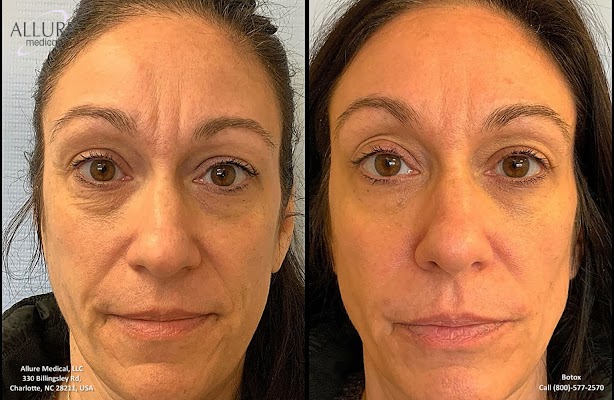
A patient in her early forties came in worried about a stern look on Zoom. She had tried Botox elsewhere and felt flat, humorless. We mapped her movement and saw overtreated central forehead muscles, under-treated lateral frontalis, and a strong depressor supercilii. The plan used fewer total units, redistributed thoughtfully. At two weeks, she could lift her brows slightly, her eyes felt brighter, and her frown lines were softened without a mask-like effect. She said colleagues asked if she had changed her lighting. That is the sweet spot: facial harmony that flies under the radar and restores how someone feels in their skin.
The lesson is not that fewer units are always better. It is that personalization beats formula, conversation beats assumption, and education builds decisions you can stand behind. When patients understand the why behind each point on the face map, they stop measuring success by how many units they bought and start measuring it by how well their face communicates the person inside. That is the quiet power of patient education in Botox, and the reason tools and talks matter as much as needles and vials.